New Silviculture Survey Results & Analysis Available
By the Minnesota DNR.

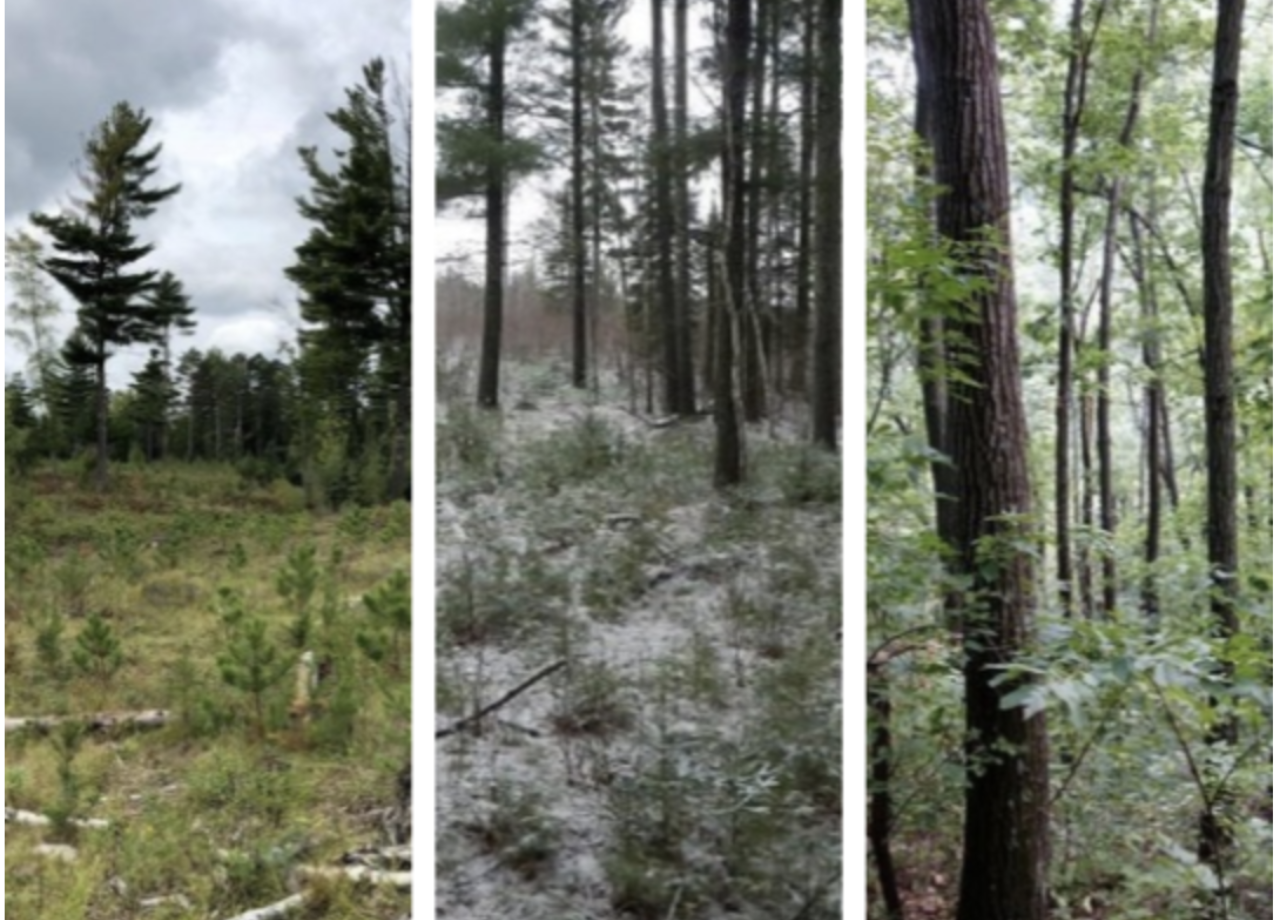
Results and analysis from Minnesota's latest silvicultural survey (2024 data) are now available, offering insights into forest management trends and opportunities. Minnesota has tracked silvicultural practices through periodic surveys of forest management organizations since 1991, building a long-term understanding of changing practices and emerging management needs. In 2025 and 2026, the MFRC supported continuation of this research through a grant to the University of Minnesota.
By supporting the silviculture survey, the Council helps Minnesota explore how forest management decisions are influenced by local, regional, and global issues, such as COVID-19, carbon markets, insect pests, and forest health. For example, the most recent survey included a new question about management to address climate change and increase forests' resilience and adaptive capacity. Of 23 respondents managing 10.5 million acres of timberland, 16 reported that at least 25 percent of their prescriptions qualify as climate-smart forestry, with seven organizations reporting 70 percent or more. At the same time, distance and access to markets could limit the extent to which respondents can implement climate-smart forestry practices to increase vigor or reduce wildfire risk.
The survey's findings also offer a broader look at how forest managers are responding to changing conditions, markets, and management needs, including:
- - 74 percent of respondents reported that their silvicultural practices have changed over the past five years, up from 55 percent of respondents in 2017. The most common factors that respondents identified as driving these changes were increasing tree species richness; altering harvest practices such as the size of cutting blocks, improving access, or adjusting the type and/or extent of species removed; and increasing use of artificial regeneration or assisted migration.
- - Looking to the next 5 years, all but four respondents (83 percent) felt their silvicultural practices would continue to change in some way.