Mass Timber
News from the USDA Forest Service Research and Developments.
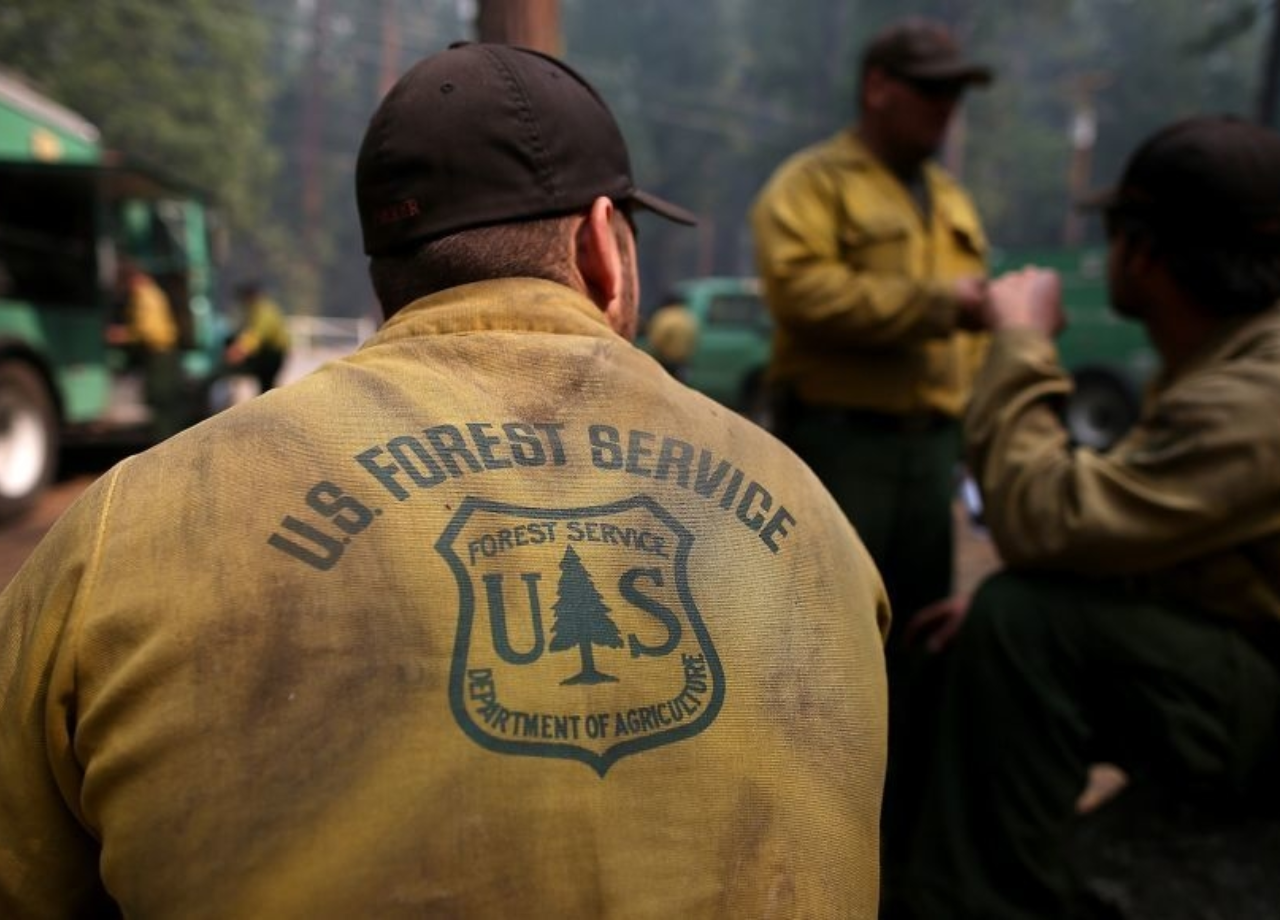
Most wood used in buildings is harvested from live, mature trees—but much of what we need to remove from forests to reduce fire risk is small diameter trees and dead woody debris. That’s why Forest Service scientists are innovating ways to use and profit from less merchantable forest products. One of these innovations, mass timber, is an amalgam of wood from small diameter trees bonded together that rivals steel and concrete in strength and durability.
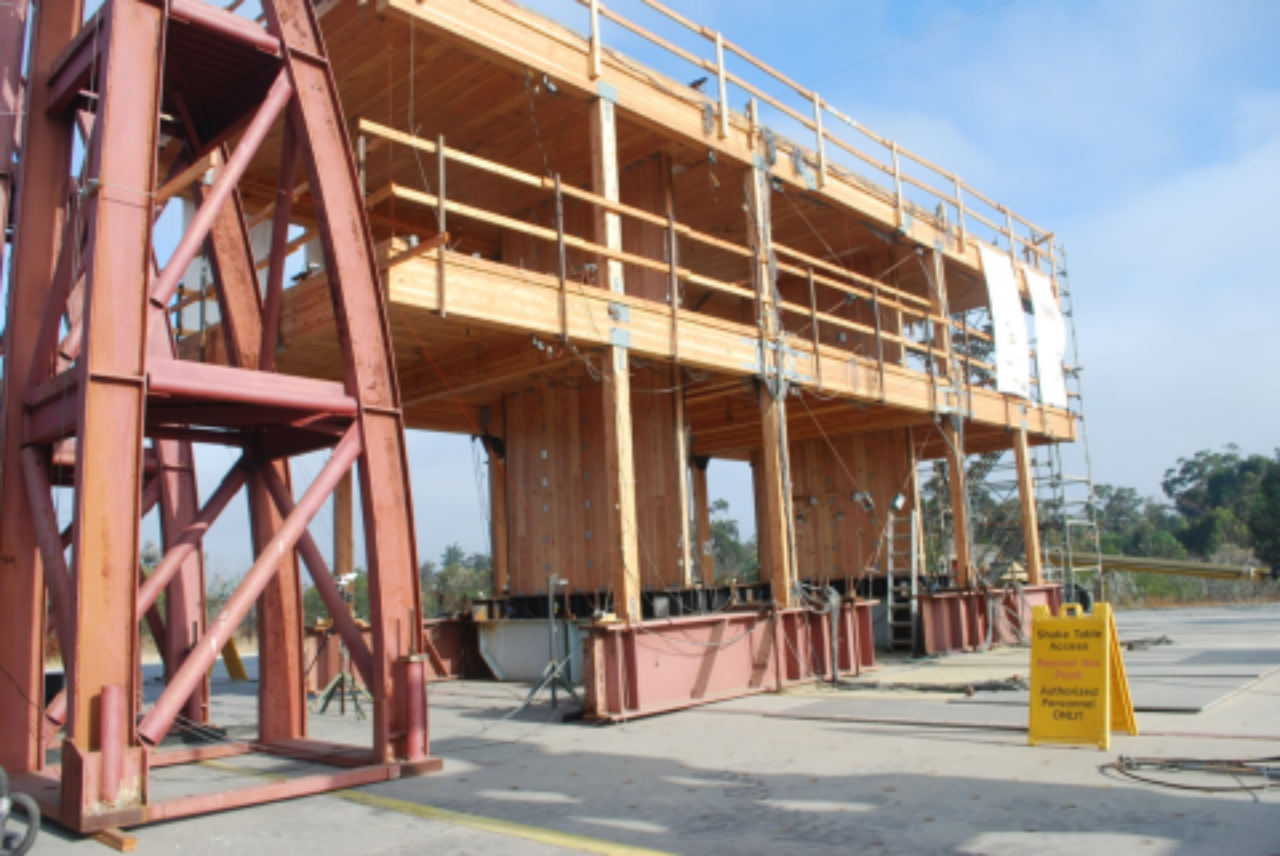
A mass timber building system developed by agency scientists and partners is resistant enough to earthquakes and high winds that it is now part of the International Building Code, which is the most widely used building code in the United States. This system can boost the use of mass timber in seismic and high-wind regions.
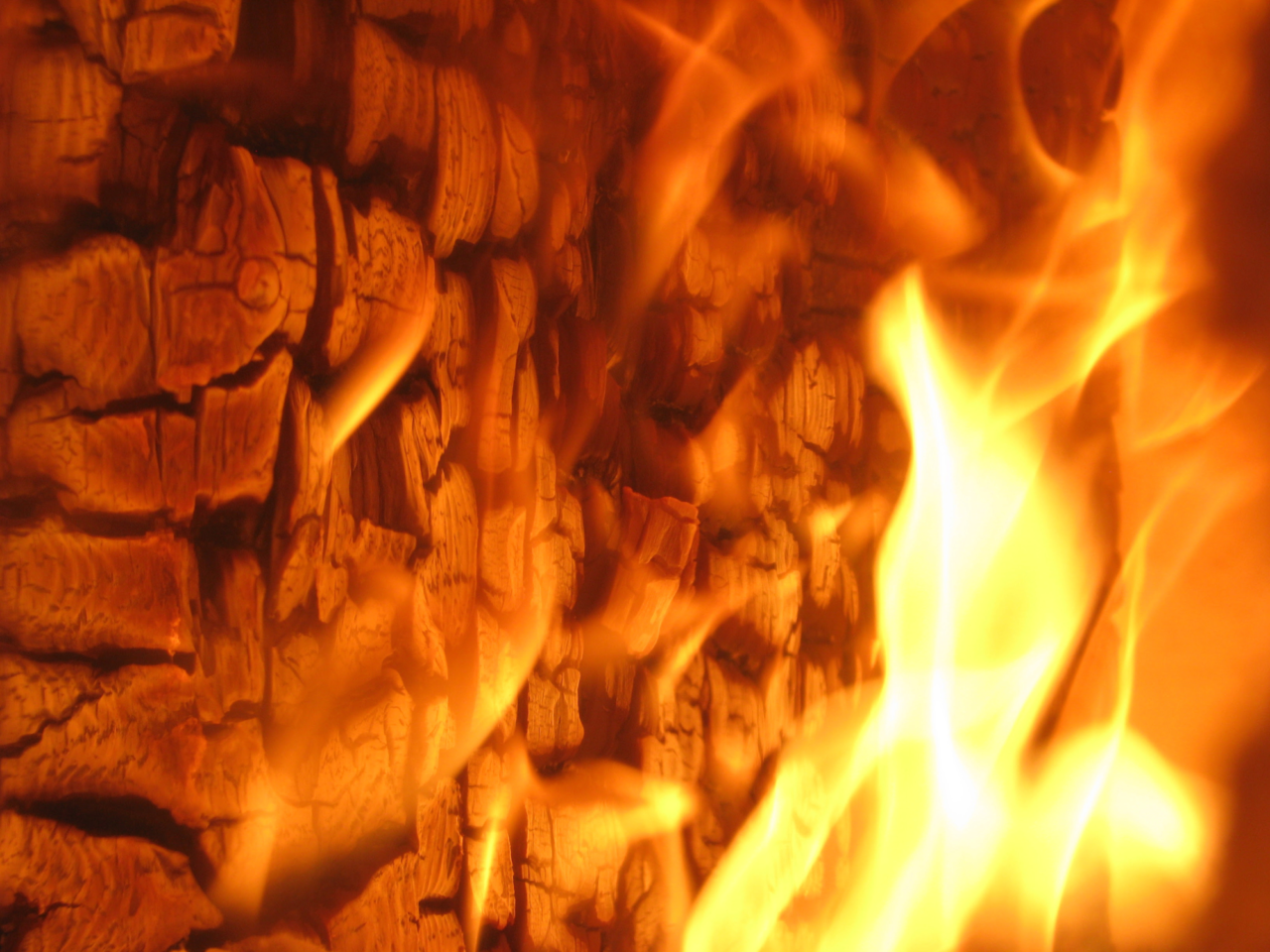
Mass timber buildings are made of wood—and wood burns. Forest Service researchers have teamed up with university, industry, and government partners to study how mass timber buildings, plus the furniture and appliances in them, hold up to fires. Other research indicates that visible uses of mass timber in tall buildings can resist fire long enough to meet international codes.
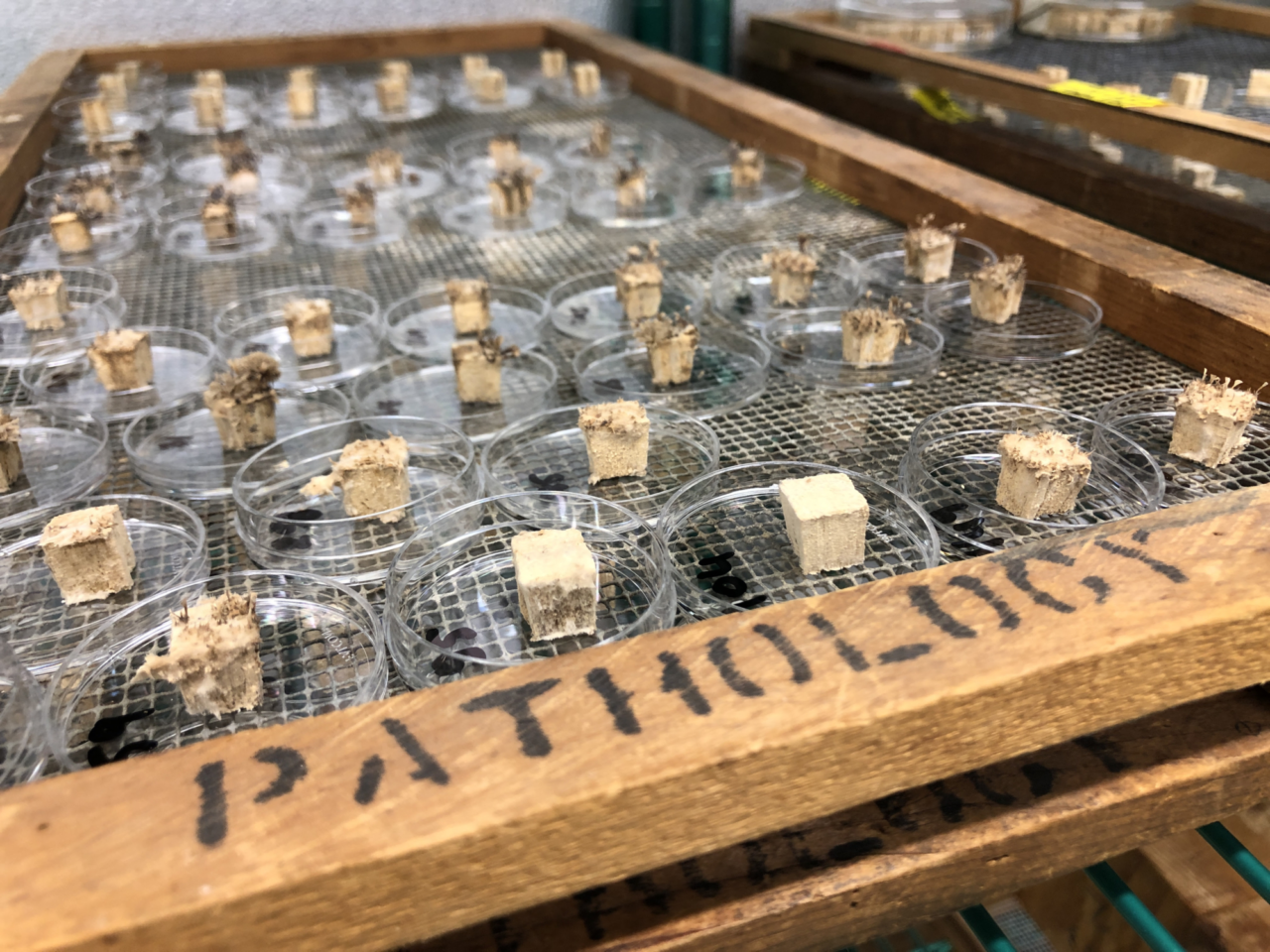
Agency scientists are testing how different treatments might protect mass timber from termites and fungi. In a study lasting two years, mass timber samples treated with borates left to rot in the Harrison Experimental Forest in Mississippi showed much less decay and termite damage than similar samples left untreated or treated with other chemicals.
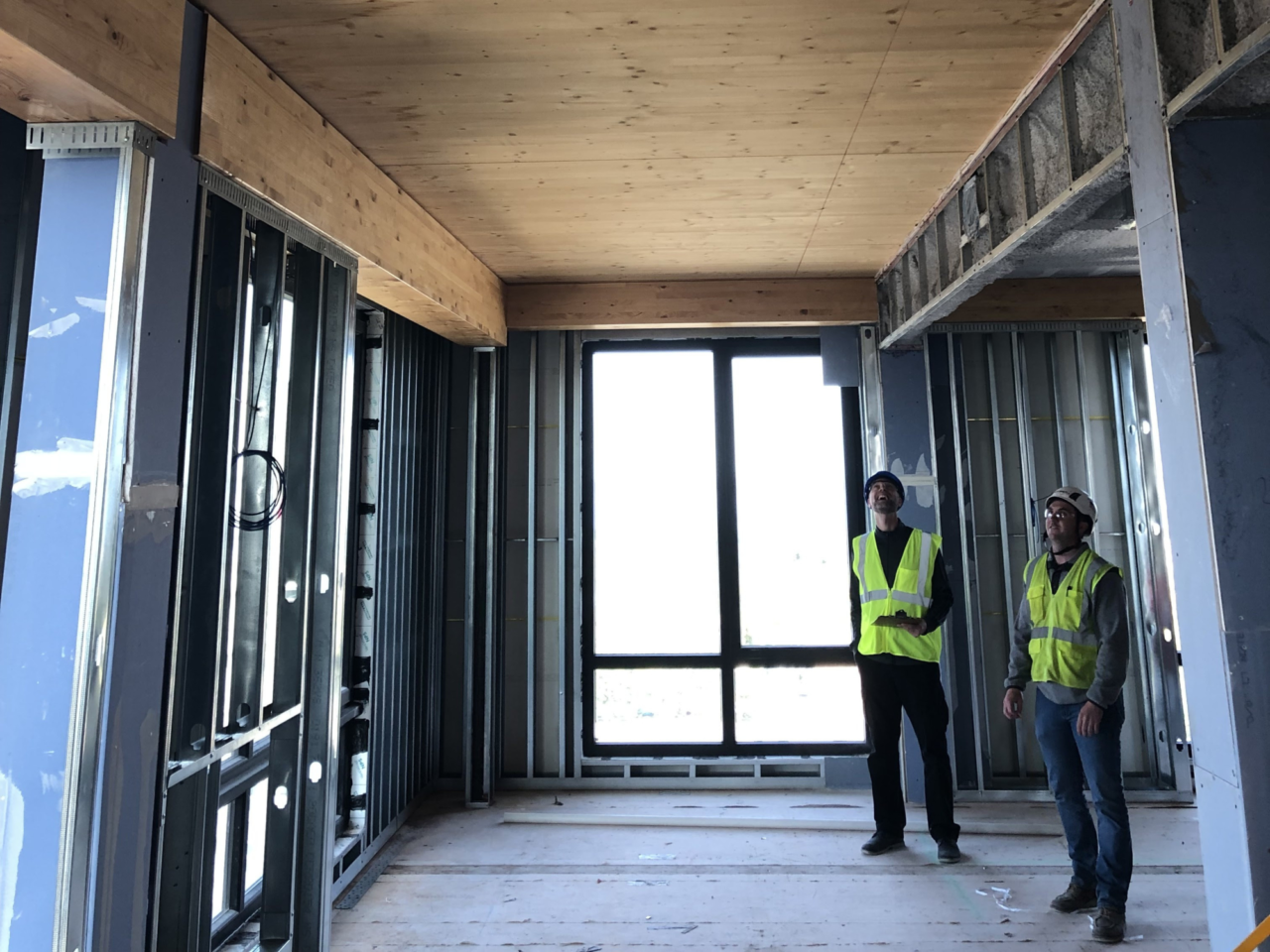
In Seattle and elsewhere across the Nation, communities, Tribes, and national forest staff are addressing housing crunches with modular mass timber structures. These lightweight structures can be prefabricated and go wherever needed: near forests, in rural communities, in growing cities, where natural disasters necessitate temporary housing.