Storm-Damaged Michigan Timber Market Sees Price Turmoil
Read about Michigan 8 months post ice-storm...

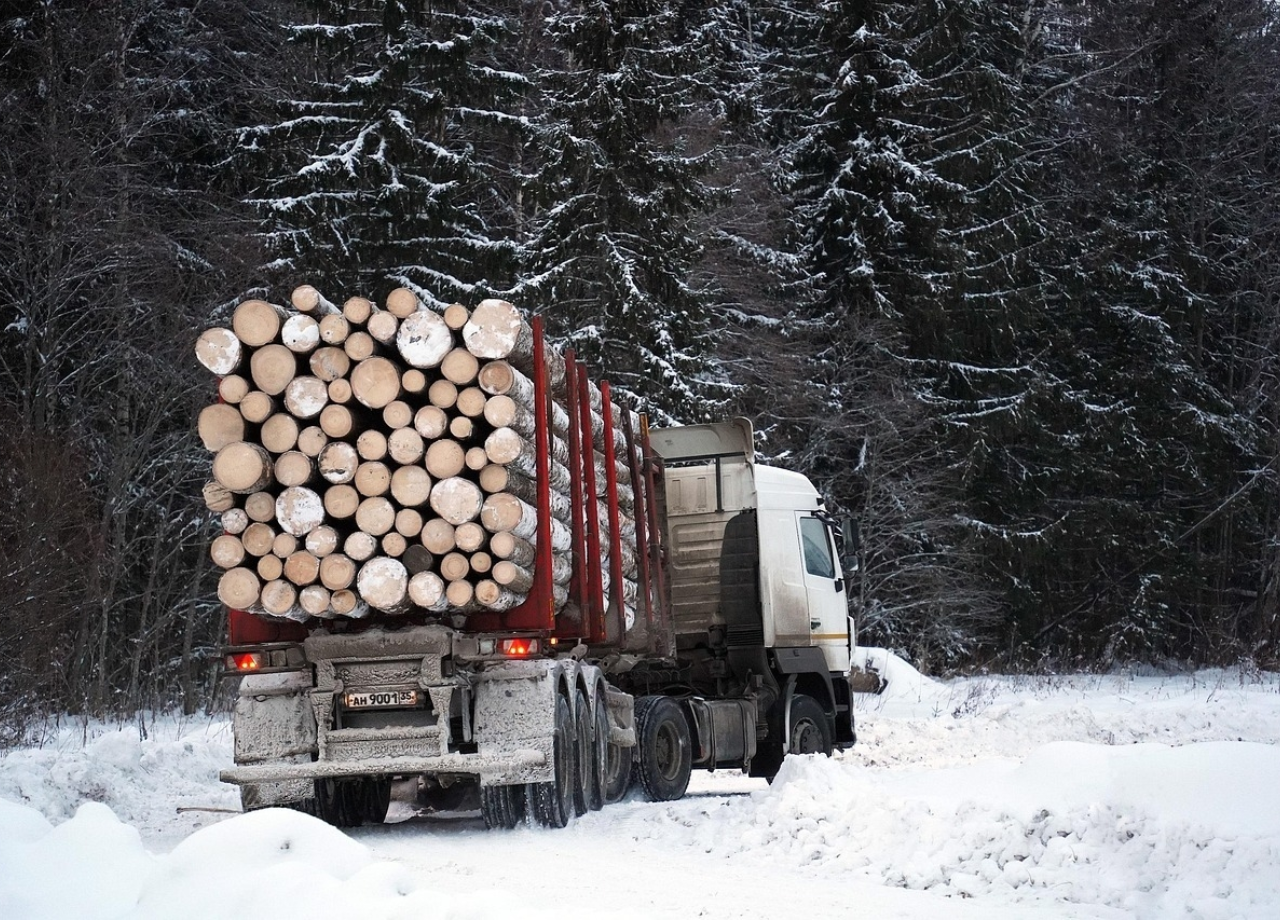
Conversations with Michigan foresters on their work eight months after the March provided a picture of volatile stumpage prices, widespread remaining standing damaged wood, and very slow to no deployment of assisted funds from a federal forest restoration fund.
Meanwhile, prices of red pine pulpwood in heavily impacted areas have drawn no bids or $0 bids because of the physical challenges and the cost of harvesting large amounts of downed wood. The most devastated area is in an oval-shaped area running from Lewiston in the Southeast to Vanderbilt to the Northwest.
Meanwhile, red pine and aspen areas sustained heavy damage, which will require planting.
Some aspen stands have all of their trees broken off midway above the ground. The lack of value in the remaining wood means landowners are likely to have to pay loggers to do a harvest with no value from the wood harvested.
The federal reforestation program was intended to assist landowners with replanting, but it has been difficult to access, according to some landowners. The program is overseen by the Farm Service Agency of the US Department of Agriculture, not the US Forest Service. If an application for funding is approved, the plan may pay up to 75% of reforestation costs, but only on completion.
Another impacted species has been the sugar maple, which is prevalent in the area. Quality sugar maple sawlogs are still selling, but at reduced prices. However, damaged sugar maple trees are prevalent in many forest stands. They draw reduced prices due to staining. And the stained areas are likely to expand with time. Prices for sawlogs are reduced, and there is almost no volume of hardwood pulpwood being sold in the Northern third of Michigan’s lower peninsula.
The storm first hit near Alpena on Lake Huron. The most damage occurred above Highway 72 (from Harrisville through Grayling). Estimates of acreage affected have varied, but were in the millions of acres.